









Divorce in Canberra: What Family Lawyers Want You to Know in 2026

August 11, 2026
Closeup of family-shaped wood cuttings with a wooden gavel blurred in the background, representing family law.

Divorce in Canberra, ACT, is one of the most frequently searched family law topics. Whether you are just beginning to think about separation or ready to file, understanding the legal steps ahead helps you make informed decisions. Family lawyers can guide you through each stage, from meeting eligibility requirements to finalising property and parenting arrangements.


What Does Divorce Actually Mean Under Australian Law?


Divorce formally ends a marriage and is completely separate from property settlement or parenting arrangements. Many people in the ACT are surprised to find these matters handled independently.


Australia has a no-fault divorce system. The court does not consider why the marriage ended. Only one ground for divorce exists: that the marriage has irretrievably broken down.


The 12-Month Separation Rule Explained


To obtain a divorce, you must show your marriage has irretrievably broken down, demonstrated by 12 months or more of separation with no likelihood of resuming the relationship.


Separation does not always mean living apart. It is possible to be separated while remaining in the same home, known as being separated but living under one roof. This is common across Canberra and the ACT where housing affordability or co-parenting makes leaving difficult. Family lawyers regularly assist clients in documenting these circumstances correctly for the court.


The clock starts from the date one or both parties communicated the relationship was over.


How to Apply for Divorce in the ACT


Divorce applications are lodged through the Federal Circuit and Family Court of Australia via the Commonwealth Courts Portal. The ACT registry is located at the Nigel Bowen Commonwealth Law Courts building, corner of Childers Street and University Avenue, Canberra City.


You can apply jointly with your spouse or as a sole applicant. Joint applications are simpler, faster, and avoid the service requirements that add complexity to sole applications. Family lawyers can prepare and review your application to reduce errors that cause delays.


The process takes a minimum of four months from filing. The divorce order takes effect one month and one day after it is made.


What Happens to Property and Children During Divorce?


Property settlement and parenting matters are handled separately from your divorce. A divorce order does not resolve either issue automatically.


Property Settlement in the ACT

The court assesses property settlements using a four-step process: identifying the total asset and liability pool; evaluating each person's contributions, financial, domestic, and related to family welfare; examining each party's current and future circumstances; and ensuring the outcome is just and equitable.


Timing is critical. Once a divorce is final, you have 12 months to file for financial or property orders. Missing that deadline makes it significantly harder to pursue your entitlements. Family lawyers can help you track these deadlines before your rights are affected.


Parenting Arrangements After Separation

A divorce order will not include parenting arrangements. If you have children under 18, the court must be satisfied that proper arrangements have been made for them before granting the divorce.


For parenting matters, the court generally expects you to have attempted family dispute resolution or mediation before filing, with exceptions for family violence or urgency. Many Canberra families resolve parenting arrangements through consent orders without a contested hearing. Family lawyers can support negotiation and ensure any agreement properly protects your children's interests.


Do You Need a Family Lawyer to Get Divorced?


You are not legally required to use a family lawyer, but legal advice is strongly recommended where children, property, superannuation, or family violence are involved.


Family lawyers in Canberra can help you avoid procedural mistakes, identify your rights and obligations, and ensure deadlines are not missed. Documents are prepared correctly the first time, service is handled properly, and you are advised on financial deadlines that could affect your entitlements.


Frequently Asked Questions About Divorce in Canberra


How Long Does a Divorce Take in Canberra?

The process takes a minimum of four months from filing. The divorce order takes effect one month and one day after it is made. Complex matters may take considerably longer.


Can I Be Separated and Still Live in the Same House?

Yes. You may need to provide additional evidence to the court demonstrating that the relationship had genuinely ended during that period.


What Court Handles Divorce Applications in Canberra?

The Federal Circuit and Family Court of Australia. In the ACT, the registry is at the Nigel Bowen Commonwealth Law Courts building in Canberra City.


How Does Property Settlement Work After Divorce in the ACT?

Property settlement is separate from divorce. The court assesses contributions, current and future needs, and what would be just and equitable. Property is not automatically divided 50/50. Each case turns on its own facts, and specialist legal advice is important.


Ready to Take the Next Step? Talk to KJB Law


KJB Law, serving Canberra and the ACT, has a dedicated family law team with the experience to guide you through separation, divorce, property settlement, and parenting arrangements. They take time to understand your individual situation and work towards practical, cost-effective outcomes. Their partnership with JustFund means financial constraints need not be a barrier to getting the legal representation you deserve.


To speak with one of their family lawyers, call (02) 6281 0999 or get in touch online. You can also find them on Google Maps at KJB Law or visit the KJB Law family law page.

News

A senior couple and lawyer in consultation with a laptop in their retirement village.
May 6, 2026
Looking for a retirement village lawyer serving Canberra, ACT? Call KJB Law today on (02) 6281 0999 for caring legal advice on retirement living.
Fountain pen writing on a document.
December 8, 2025
Discover the benefits of hiring a conveyancing solicitor in Canberra with KJB Law Pty Ltd. Call (02) 6281 0999 or click here to learn more.
Conveyancing solicitor handling property transfer with house model, gavel, and legal documents.
By Admin May 7, 2025
Discover the key benefits of hiring a conveyancing solicitor in Canberra for a smooth property transaction. Contact KJB Law today at (02) 6281 0999!
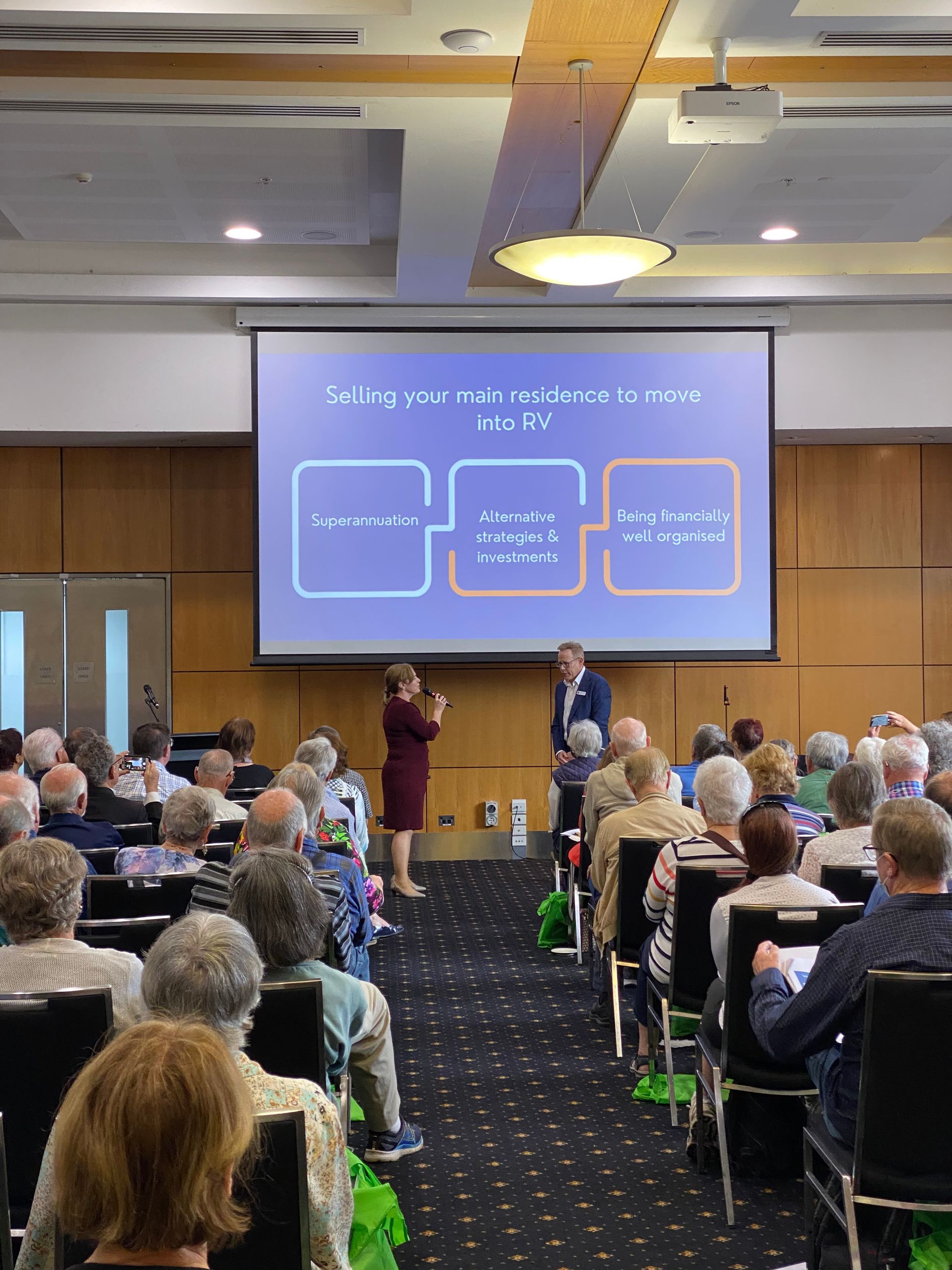
A presentation in a large conference room. Two speakers on stage address an audience of seated attendees.
By KJB Law April 5, 2024
Many heartened by encouraging advice at seminar
Andrew Freer
By Ian Horner September 13, 2022
He attributes the wins to the great team around him
AWARDS
By Ian Horner September 3, 2021
Doyles recognises Andrew Freer and KJB Law once more
Five older women taking a selfie indoors; smiling, holding each other, and dressed in nice clothes.
By Ian Horner June 16, 2021
Picture: Vlada Karpovich/Pexels ABOUT THIS SEMINAR We make property decisions throughout our life when choosing where to live, but as times goes on the decision is more than just what real estate can I get for my money. We need to think about how we will live and who is there to help us. The process of moving into a retirement village community requires consideration and accurate information. Before committing, it is critical you understand the retirement villages contractual arrangements, impact on your estate and ways to comfortably pay for your living expenses. This Moving into a Retirement Village seminar is designed to equip you with the legal and financial practicalities of securing a home in a retirement village. WHAT WILL I LEARN? The legal side of retirement-village entry • There are fundamental differences between home ownership outside a retirement village and your rights with respect to accommodation inside a village. Simply put, the contractual arrangements for retirement villages are more complex. Adding to this complexity is that retirement villages in the ACT do not have identical contractual and financial models. This seminar will give you insight into the contractual and financial models on offer in the ACT; and • Notwithstanding those different contractual and financial models, there are some commonalities which apply to entry and life in each village. In this seminar you will also learn about cooling-off periods, settling-in periods, recurrent charges, budget approvals, how your money is protected and when the law requires you to get your money back after you leave a village. Wills and enduring powers of attorney • Why it is important to have a will and enduring power of attorney; • What should be included in a will; • How to choose your attorney and how to protect yourself; and • What happens if you do not have a will and/or enduring power of attorney. Funding your retirement lifestyle as well as preparing for the frailty years. • The common question when it comes to retirement is: how much is enough? If only the answer was simple! But the fact is that the answer varies due to a range of factors, including your lifestyle aspirations, personal health and family commitments; and • We cover strategies available to increase cash flow and income certainty to support your quality of life in retirement and the need to prepare for when you may need extra supportive care. WHO SHOULD ATTEND? People who are: • researching the option of downsizing; • wanting to learn more about living in a retirement-village community; • confused about the different retirement-village contractual arrangements; • seeking clarification about the costs; and • preparing for retirement. NEED TO KNOW MORE ABOUT THE SEMINAR? It's on Tuesday, June 22, 10am to 12.30pm, at the Hellenic Club of Canberra , 1 Matilda Street, Woden. It's presented by KJB Law and Phillips Wealth Partners . Book online: eventbrite.com.au/e/plan-for-a-successful-move-into-a-retirement-living-community-tickets-154049300605 Details, bookings: Liz (02) 6281 0999 or liz@kjblaw.com.au
Man on video call with another man, laptop on table, coffee cup, camera.
By Ian Horner April 9, 2021
OPTIONS: Our specialist solicitors, including Andrew Freer, are able to meet with you via Skype or Zoom if you can't do a face-to-face meeting. Main picture: Lukas Bieri/Pixabay As the ACT and the rest of Australia moves out of strict covid rules, it’s important that our health and safety remain a No.1 priority. Although regulations and guidelines are relaxing, it’s vital we all remain vigilant and care for one another. We all share this responsibility. The ACT is operating under a set of COVID-normal restrictions . Please do not visit KJB Law offices if you have any covid-like symptoms, such as a cold or flu, fever or high temperature. Many legal matters cannot be postponed and if you need to avoid physical contact you can make an appointment for a phone meeting, or a video meeting via Skype or Zoom, simply by calling (02) 6281 0999 or emailing us, kjblaw@kjblaw.com.au. Legal concerns range from writing or updating wills or powers of attorney to more complex matters like family law and conveyancing. You can chat with our friendly receptionist Kylie Brown, on (02) 6281 0999 or email her at kylie@kjblaw.com.au, and she will happily point you in the right direction. Kylie can also outline our fees which vary, depending on what needs to be done. It is important every client has a clear understanding of their tailored legal plan. An initial consultation may be 30 minutes or two hours — everything is shaped to your needs. Appointments are generally taken from 8.30am, the final meeting usually ending at 5pm. We try to keep to those times but this is not a hard and fast rule because we recognise there can be other circumstances to allow for. If you know which legal specialist you need, or have already begun working with one of our solicitors, you can find their personal contact details and the details of their staff here or here . In line with covid guidelines, all visitors must register their name and phone number at reception which is needed in the event of contact tracing. If you book an appointment, we’ll take your details then so there’s no need to register when you visit. If you come in off the street we’ll ask you to register then. Appointments streamline the process and make it easier for everyone. It’s not mandatory to wear a face-mask when you visit us but you may if you wish. All of our meeting rooms and spaces are wiped down and sanitised for every meeting. You can rest assured that when you come in and sit down, your chair has just been wiped clean for you. We continue to closely monitor and adhere to the regulations and advice provided by the Federal Government’s Department of Health and in accordance with ACT Government guidelines . Thank you for your support as we work together for the health and safety of our clients, staff and the community.
Two women at a Canberra region awards event, one cheering. Gold award logo reads “Local Business Awards Finalist.”
By Ian Horner October 1, 2020
KJB Law is thrilled to be a finalist again in this year’s Local Business Awards for the Canberra region . The company is competing in the Professional Services category — which it won last year. “WE'RE so thrilled to be nominated once again and to be a finalist in the competition,” said principal Jo Twible. “A big sincere thank-you on behalf of Andrew, Des and I and everyone at KJB to all our clients and friends for the nomination!” The awards are conducted over an 11-week period. The public has nominated their favourite Canberra regional businesses which have been divided into 30 categories. 'We’re so thrilled to be nominated again and to be a finalist in the competition. A big sincere thank-you to all our clients and friends for the nomination!' JO TWIBLE principal and solicitor Voting in the Canberra region opened on April 22 and closed on September 17. Finalists were selected based on the number of online and printed nominations they got in their category, the more nominations the better chance of being selected as a finalist. There was no arbitrary cut-off point, as the number of nominations varied for each category. The finalists are judged in two stages — on information received from each business (the qualifying stage) and anonymous judges (the judging stage). Because of covid, visits to each business are not always feasible, in which case judges will evaluate the business's website and online presence (social media, advertising, etc) and may conduct impromptu phone interviews. The winners will be announced at the Local Business Awards gala presentation evening on December 16, which will be attended by local business people, sponsors and dignitaries. Tickets are only available to finalists and sponsors. All Canberra region finalists: here Professional Services category finalists: here KJB Law’s awards-entry page: here The awards are run by Precedent Productions : (02) 8363 3333 or precedent@precedent.net Pictures: Precedent Productions
Man in a shirt next to Doyle's law firm's award on a website, pink background.
By Ian Horner August 5, 2020
HUMBLED | Principal Andrew Freer has just been announced as one of the ACT's top five estates-litigation lawyers. Picture: Canberra City News . Graphics: Doyles PRINCIPAL and solicitor Andrew Freer has just been listed as one of the “pre-eminent” lawyers in estates litigation in the ACT in this year’s Doyles Guide listing. And KJB Law is the highest-ranking Doyles Guide firm in the Woden area, listed as “second tier” for estates litigation in the ACT . “I’m humbled to get this recognition by peers, colleagues and clients,” Andrew said. “And I’m so proud to work for a company that enables people to shine, with co-workers who support each other. “I acknowledge and put on record my deepest appreciation of the efforts and contribution of all members of the KJB team. “I’ve been at KJB now for 25 years and it’s quietly satisfying to know the experience and knowledge garnered over that time is valuable and acknowledged.” This year’s listing of leading ACT wills and estates-litigation law firms highlights solicitors and companies practising in wills and estates litigation, disputes and contested matters in the ACT who’ve been identified by their peers for their expertise and abilities in these areas. ' I’m humbled to get this recognition by peers, colleagues and clients. And I’m so proud to work for a company that enables people to shine, with co-workers who support each other . ' ANDREW FREER Principal and Solicitor Doyles is an independent organisation that rates and recommends law firms based on interviews with clients, peers and industry bodies. The firm produces one of the most recognised independent guides to top law firms in Australia. Doyles doesn’t allow firms to buy entries. Andrew is listed for estates litigation in the ACT. Here' s the full list of this category's pre-eminent tier (in alphabetical order): Pre-eminent ranking: Keith Bradley , of Bradley Allen Love; Phil Davey , of DDCS Lawyers; Andrew Freer , of KJB Law; Tim Morton , of Farrar Gesini Dunn; and Rebecca Tetlow , of DDCS Lawyers. KJB Law is listed for estates litigation on the ACT. Here's the complete listing of all four tiers in this category (in alphabetical order): First tier: Bradley Allen Love; and DDCS Lawyers. Second tier: Farrar Gesini Dunn; KJB Law; and Meyer Vandenberg. Third tier: Bedfords Legal; and McInnes Wilson. Recommended: Baker Deane & Nutt; Elringtons; Howes Kaye Halpin; Symons Phillips; and Tetlow Legal. The content and listing of firms, lawyers and barristers is compiled after initial online peer-review-based surveys and phone and face-to-face interviews with clients, peers and industry bodies. Its research is focused on clients and legal practitioners. Most of its personal-services areas (ie, family, crime, estates and succession planning) are compiled via peer-based surveys and reviews. At the end of the research stage of the ranking process, individuals and firms are ranked according to volume and quality of positive feedback. The distinction between tiers of firms and bands of individuals is made by way of editorial discretion, in light of: Any clear numerical delineation between firms or groups of firms; Recommendations from significant clients; Recommendations from significant peers; The firm’s or individual’s ranking in previous Doyles’ listings; and Doyles’ impression of the individual during interviews. All research is independent, and errors or faults in the guide and listings aren’t due to commercial pressures or relationships. The firm listing contains four categories, ie, three “tiers” and “recommended”. The classification of a firm into a particular tier basically depends on numbers. Especially glowing reports from key clients and individuals can also be considered. The rating of a firm in a particular tier is not a definitive classification as to the skills and abilities of each individual legal practitioner in that firm. Doyles’ listings of lawyers are in four categories: Market leader is awarded to an individual who clearly stands ahead of their peers; Pre-eminent and leading lawyers are those who consistently draw client and peer praise; and Recommended lawyers are those who display particular skills or attributes in the area. All Doyles’ listings in each ranking category are in alphabetical order. A position at the top of the list category doesn’t indicate a higher ranking or rating than a ranking at the bottom. Firms don’t have to participate in Doyles’ research or make submissions. Doyles tries to speak to clients and third parties and also senior legal practitioners within firms. The listing of leading firms and individuals not only creates an environment for a more accurate recognition of Australia’s leading lawyers, Doyles says, but also allows for informed choices for those wanting a local lawyer. Doyles website here . Andrew's Doyles profile here .
MORE NEWS